Zambia won the match they had to win.
They still went home.
That is the part of Group C that is going to be hard to forget.
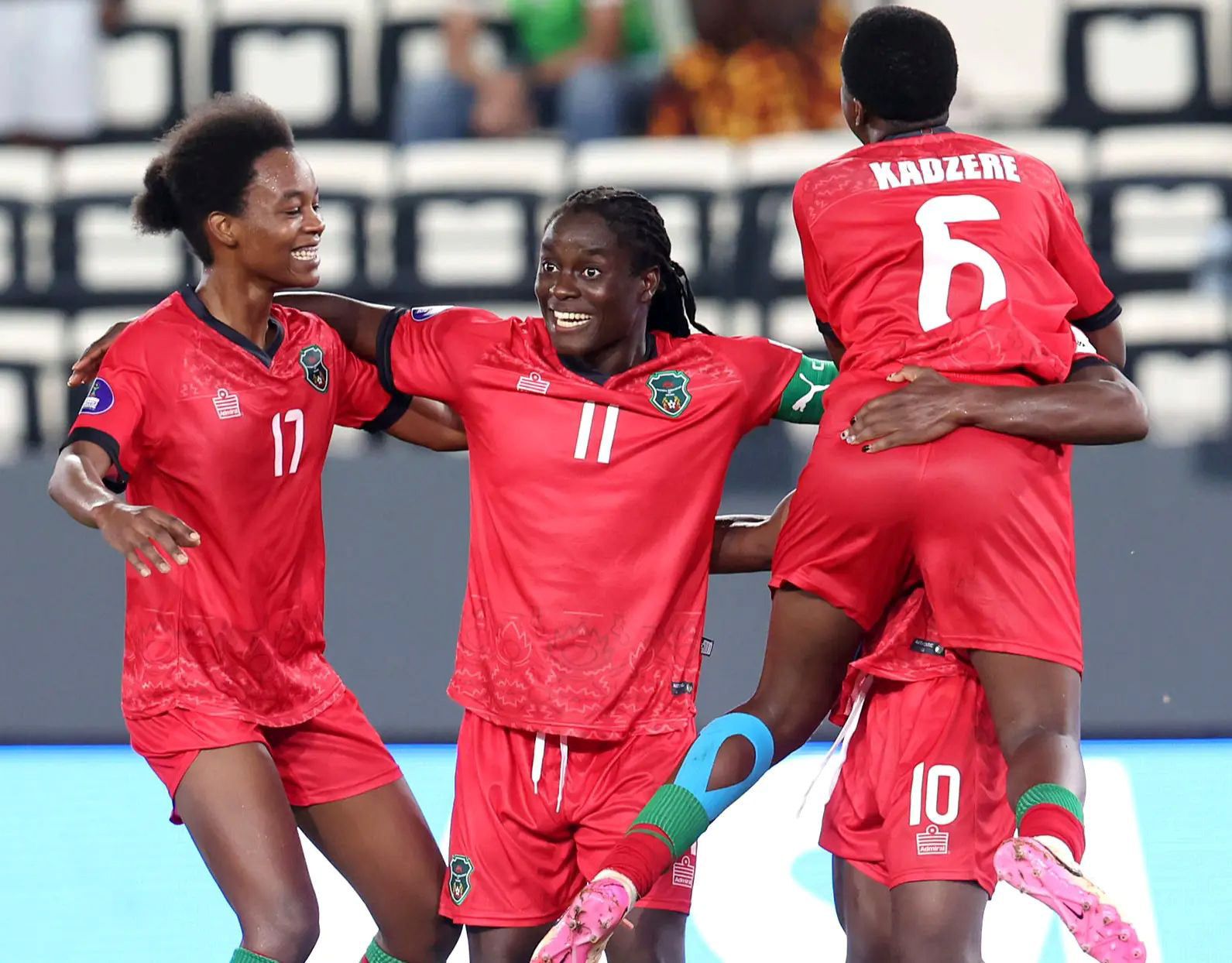
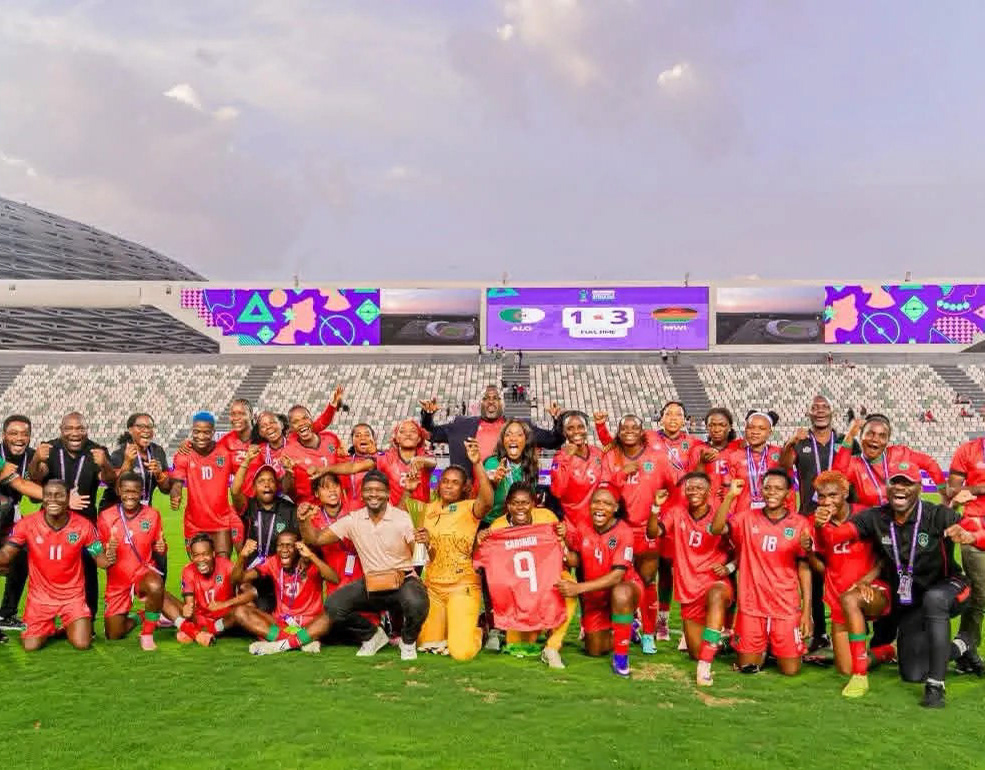
Barbra Banda scored inside the opening two minutes against Malawi. Prisca Chilufya made it 2-0 before halftime. For most of the night, Zambia had done exactly what was asked of them after losing to Nigeria: respond, win the final group game and put themselves back in position to advance.
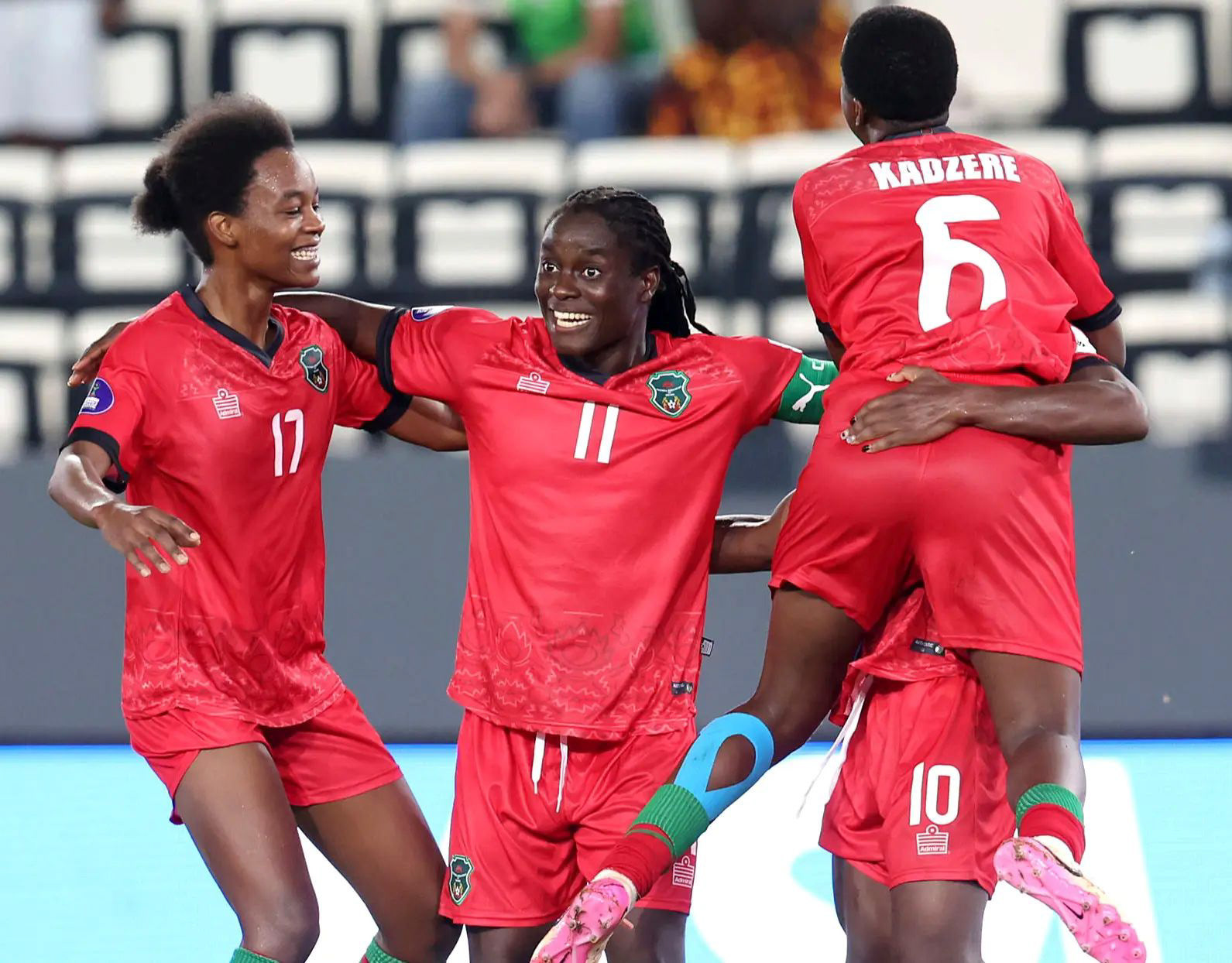
Then Tabitha Chawinga scored in the 72nd minute.
Zambia still won 2-1. They still finished the group with six points. They still ended the three matches with eight goals scored, only two conceded and a +6 overall goal difference.
And they were still eliminated.
For a team that came to Morocco talking openly about competing for the WAFCON title and qualifying for another World Cup, this was not simply a strange way to exit a tournament. Their road to Brazil 2027 ended with them walking off the field after a victory.
The goal that changed the table
The math is ugly, but it is worth slowing down for because it explains just how small the margin was.
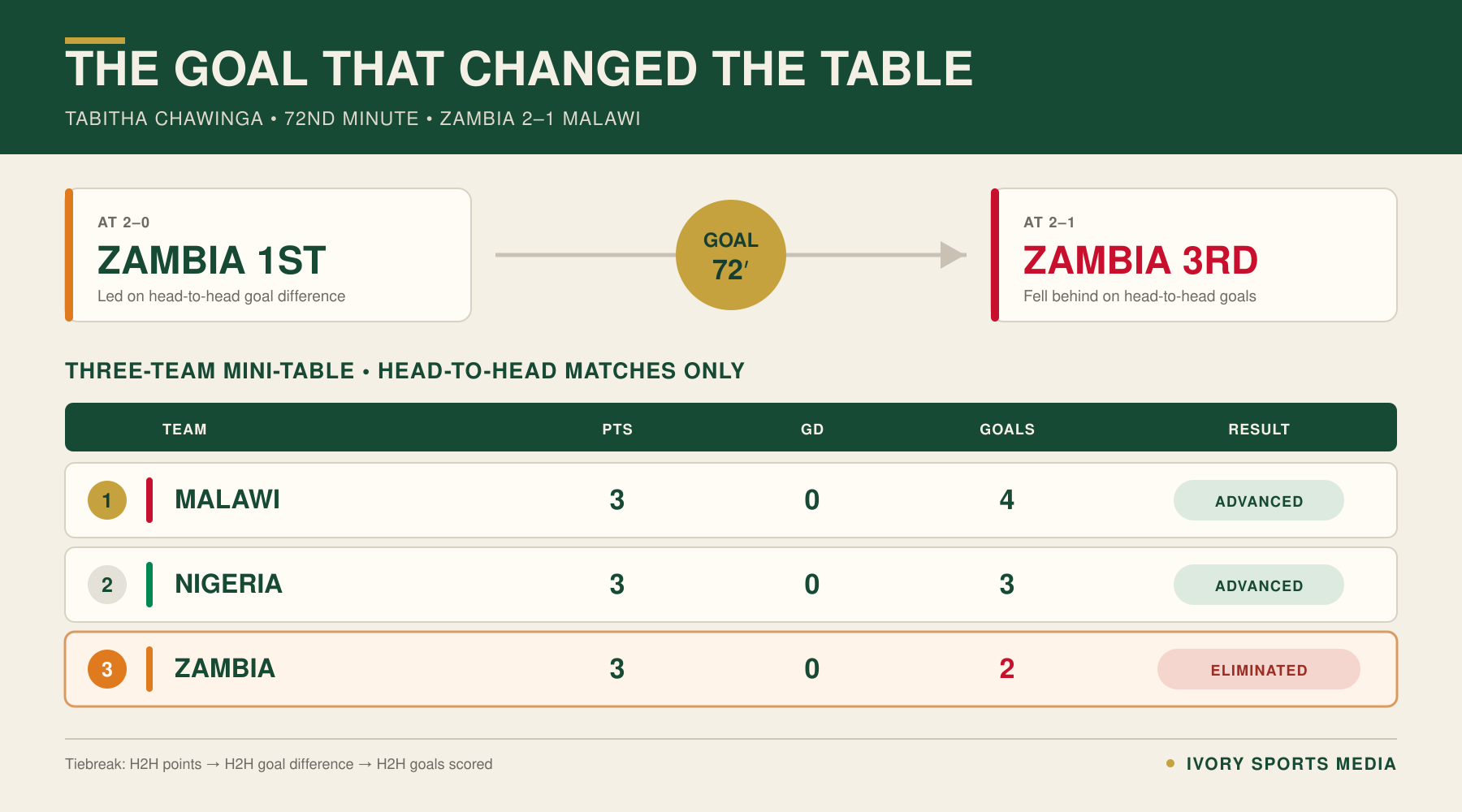
Nigeria's 6-2 win over Egypt in the other Group C match left Malawi, Nigeria and Zambia on six points each. CAF's tiebreak therefore went first to the results between those three teams.
Inside that mini-table, each team had one win and one loss.
Malawi beat Nigeria 3-2.
Nigeria beat Zambia 1-0.
Zambia beat Malawi 2-1.
That left all three level on three head-to-head points. They were also level on head-to-head goal difference: zero.
So the next separator was goals scored in those matches.
Malawi had four. Nigeria had three. Zambia had two.
Malawi finished first. Nigeria finished second. Zambia finished third.
That is why Tabitha's goal mattered so much. At 2-0, Zambia held the advantage in the three-team calculation. At 2-1, all three teams became level on head-to-head goal difference and Zambia fell behind on goals scored.
It also explains why Zambia's +6 overall goal difference could not save them. Their six goals against Egypt looked enormous on the normal table, but once three teams were tied, the games against Egypt were not the first thing separating them.
The tournament became about the smallest details inside the other two matches.
The Nigeria match is the one that will hurt
Watching Zambia against Nigeria, I never felt Zambia were completely neutralized. I thought they were inefficient. There is a difference.
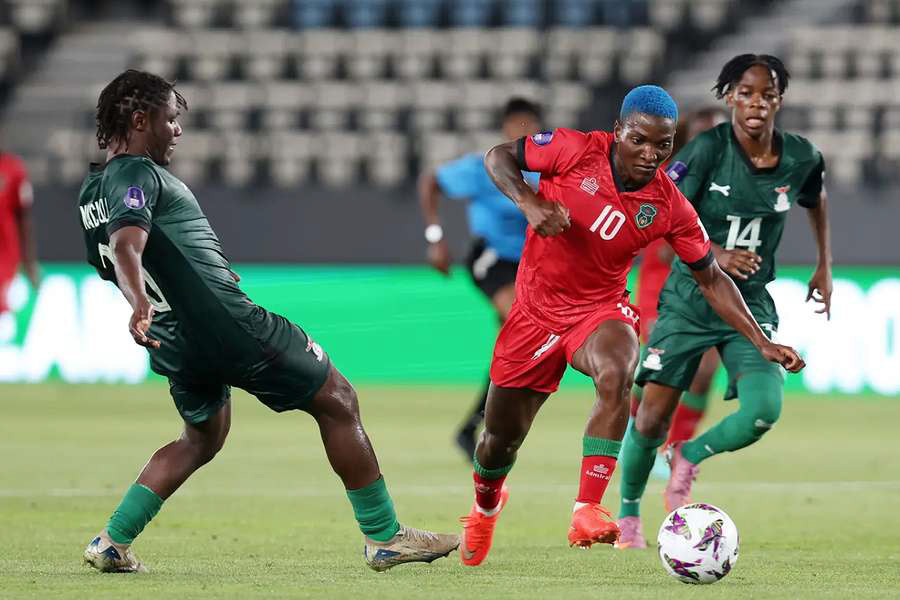
Nigeria scored through Asisat Oshoala in the eighth minute and then went down to 10 players when Oluwatosin Demehin was sent off in the 40th. Zambia had more than half a match with a numerical advantage to find one goal.
They could not.
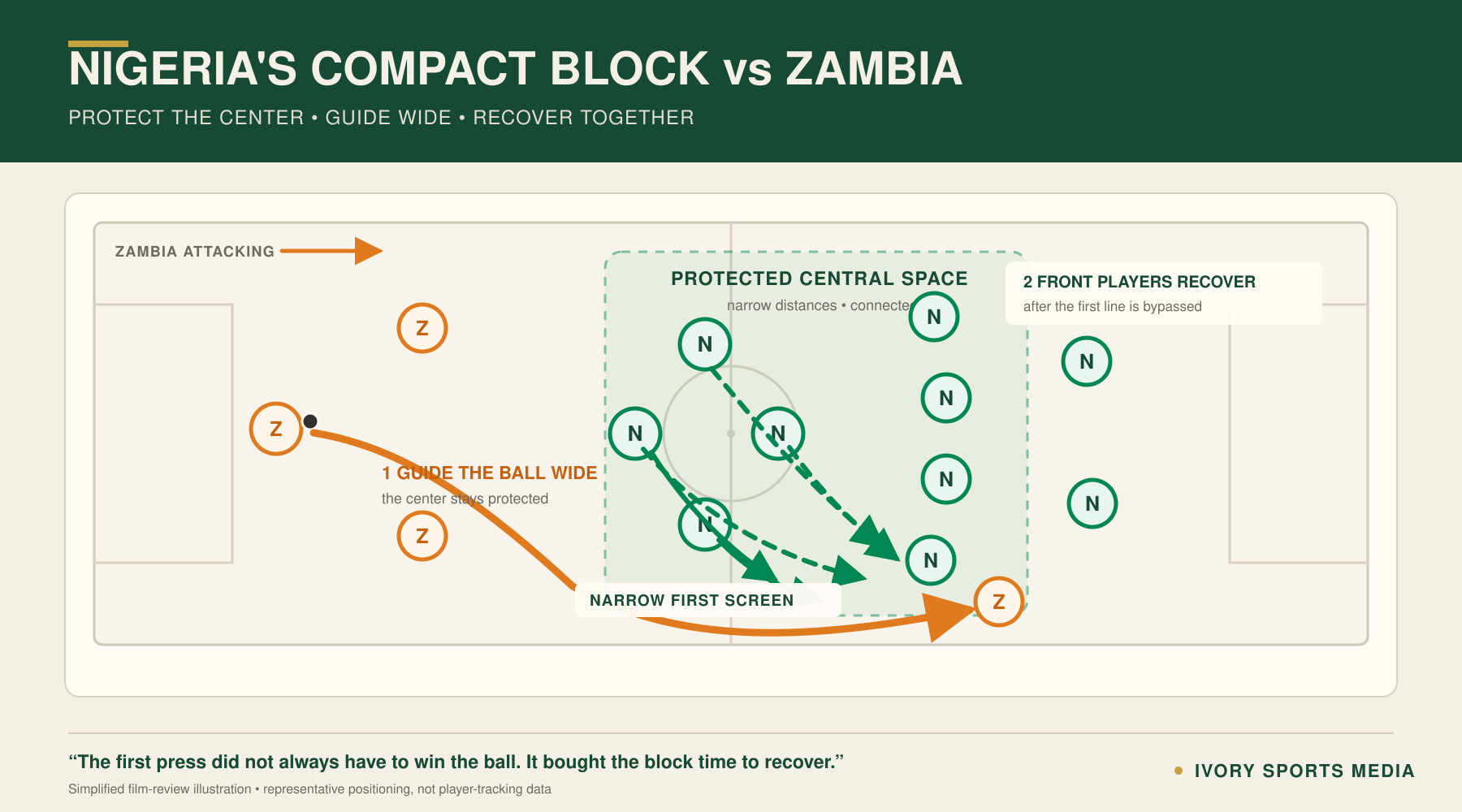
Nigeria became even clearer defensively after the red card. They protected the middle, kept their distances tight and used the first line of pressure to delay Zambia long enough for the rest of the block to recover. Zambia still got into promising areas. Banda still occupied defenders. There were moments when it looked as if the equalizer was coming.
But promising positions are not goals.
Zambia finished that match with only two shots on target. Banda, who had just scored four against Egypt, did not put an attempt on target against Nigeria.
That is the match that changes when you look at it now.
At the time, a 1-0 group-stage loss felt recoverable. Four days later, one equalizer against 10-player Nigeria would have removed the three-team tiebreak entirely and put Zambia through.
This is also why I do not think the lesson is that Zambia suddenly became a poor attacking team. They did not. Nigeria defended extremely well. The Copper Queens just did not turn their advantage, possession and attacking quality into the action that mattered most.
In tournament football, sometimes that is the whole difference.
Five goals from Banda, and still no knockout round
That makes Barbra Banda's tournament even harder to process.
She opened WAFCON with four goals in Zambia's 6-0 win over Egypt, one of the best individual performances of the group stage. She scored again against Malawi to finish with five goals in three matches.
This came less than a year after a full-thickness injury to her right adductor ended the second half of her 2025 season with Orlando Pride. She returned to the field in March. By WAFCON, she looked like Barbra Banda again: powerful, direct and constantly capable of changing a match.
But five goals from one of the best forwards in the world could not carry Zambia through this group.
That should be the larger concern for the Copper Queens.
Zambia do not have a talent problem. Banda is elite. Racheal Kundananji gives them another forward who can stretch and hurt a back line. There is experience throughout a squad that has already been to a World Cup and two Olympic Games.
The next step is turning that talent into more ways to win the difficult matches — especially when the opponent takes away the first option.
Against Egypt, the space opened and Zambia punished it. Against Malawi, they attacked the game aggressively and scored twice. Against Nigeria's compact block, the solutions were harder to find.
That was the difference between six points being enough and six points sending them home.
This exit is bigger than WAFCON
There is another reason this one hurts.
WAFCON is also Africa's qualification tournament for the 2027 FIFA Women's World Cup. The four teams that win their quarterfinals qualify directly for Brazil. The four losing quarterfinalists still receive another route, with two eventually advancing to the inter-confederation playoffs.
Zambia never reached the quarterfinals, so neither path is available to them. Their 2027 World Cup qualification campaign is therefore over.
For a program that reached its first Women's World Cup in 2023, that is a much bigger consequence than a disappointing week in Morocco.
It is also why I would not reduce this tournament to a tiebreak rule being cruel to Zambia. The rule was the same for everybody. Zambia knew the group was difficult. They had chances to make the calculation irrelevant.
They were one goal away from doing it.
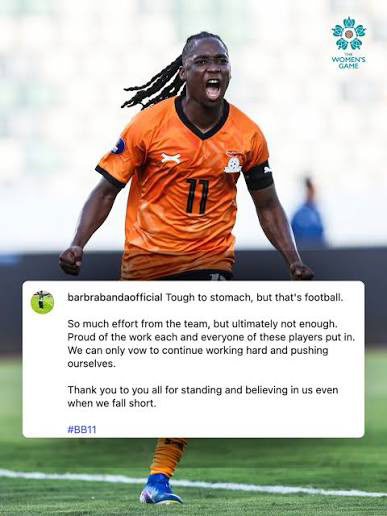
After the elimination, Banda wrote on Instagram: “Tough to stomach, but that's football.”
That is probably the simplest way to say it.
Two wins. Six points. Eight goals. A +6 goal difference. Five goals from your captain.
Usually, those numbers tell the story of a team moving on.
For Zambia, they now tell the story of how close moving on can be.