The final whistle delivered two truths that seemed to contradict each other.
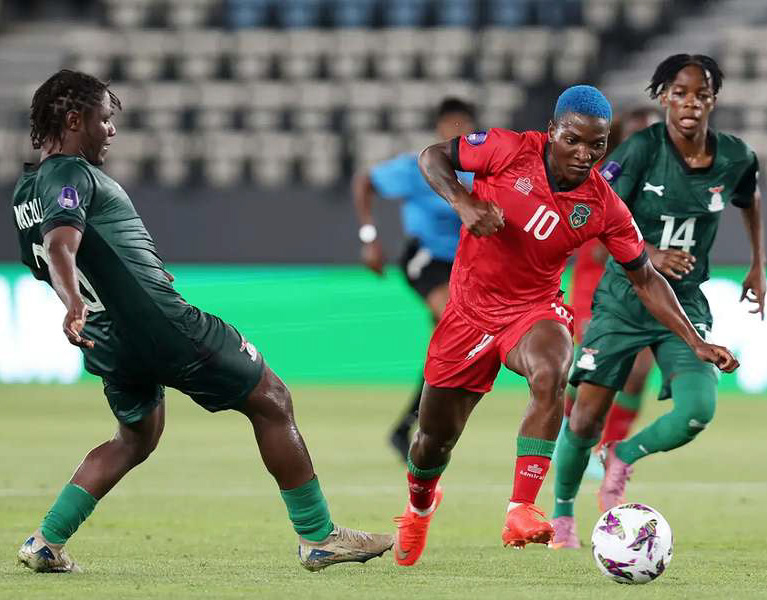
Zambia had beaten Malawi 2–1.
Malawi had won Group C.
Barbra Banda put Zambia ahead after only two minutes, and Prisca Chilufya doubled the advantage in the 37th. For much of Wednesday night in Rabat, the perfect start to Malawi’s first Women’s Africa Cup of Nations appeared to be unraveling.
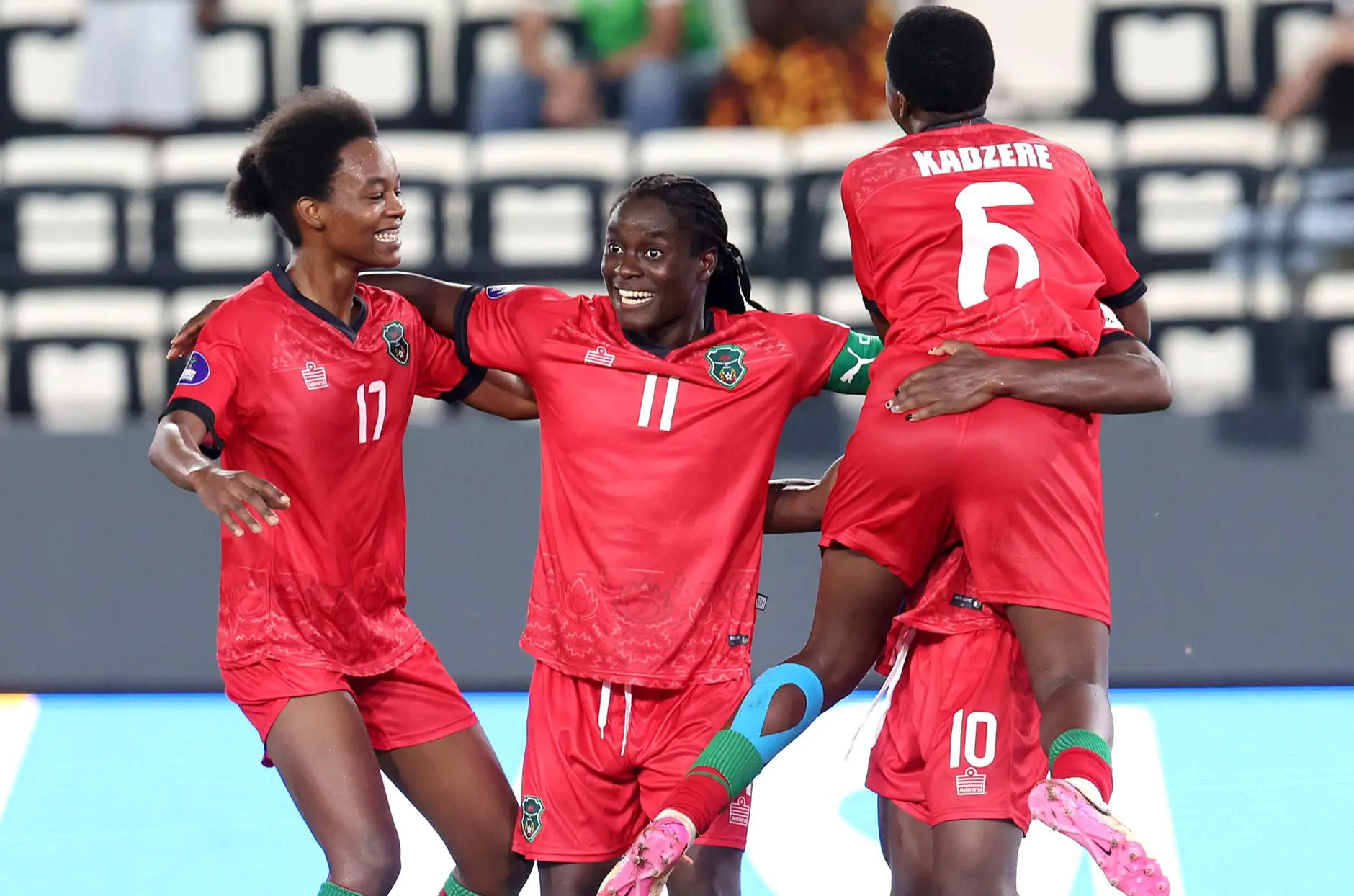
Then Tabitha Chawinga scored in the 72nd minute.
It did not rescue a draw. It did something even more important: it changed the mathematics of the entire group.
Nigeria’s simultaneous 6–2 victory over Egypt left Malawi, Nigeria and Zambia level on six points. CAF’s three-team tiebreak therefore considered the matches among those three teams. Each had one win, one loss and a goal difference of zero.
The next criterion was goals scored in those head-to-head matches. Malawi had four. Nigeria had three. Zambia had two.
Malawi finished first, Nigeria second and Zambia were eliminated despite winning the match.
Had Tabitha not reduced the deficit, a 2–0 defeat would have left Malawi with a negative goal difference in that mini-table and ended their tournament. Her goal was not a consolation. It was the goal that took Malawi from the brink of elimination to the top of Group C.
A difficult start, followed by a necessary response
Malawi had already shown an ability to alter expectations. Against Zambia, they were forced to show whether they could respond when a match turned against them.
Conceding in the second minute gave Zambia the game state they wanted and forced Malawi to chase almost immediately. By the time Chilufya made it 2–0 before halftime, the Scorchers were not merely protecting first place; they were fighting to remain in the tournament.
The response was imperfect, but it mattered. Malawi finished with 11 attempts and five shots on target, compared with Zambia’s 10 attempts and three on target. Tabitha’s second-half goal gave the Scorchers a route back into the match and, ultimately, through the group.
There is also a lesson Malawi must carry into the knockout round. At this level, conceding twice inside 37 minutes can erase a week of excellent work. Their recovery showed resilience. The early deficit showed how narrow the margin will become from here.
Nigeria was the shock. Egypt was the evidence.
Seven days earlier, Malawi’s presence at WAFCON was already historic. The Scorchers had never previously qualified for Africa’s premier women’s tournament.
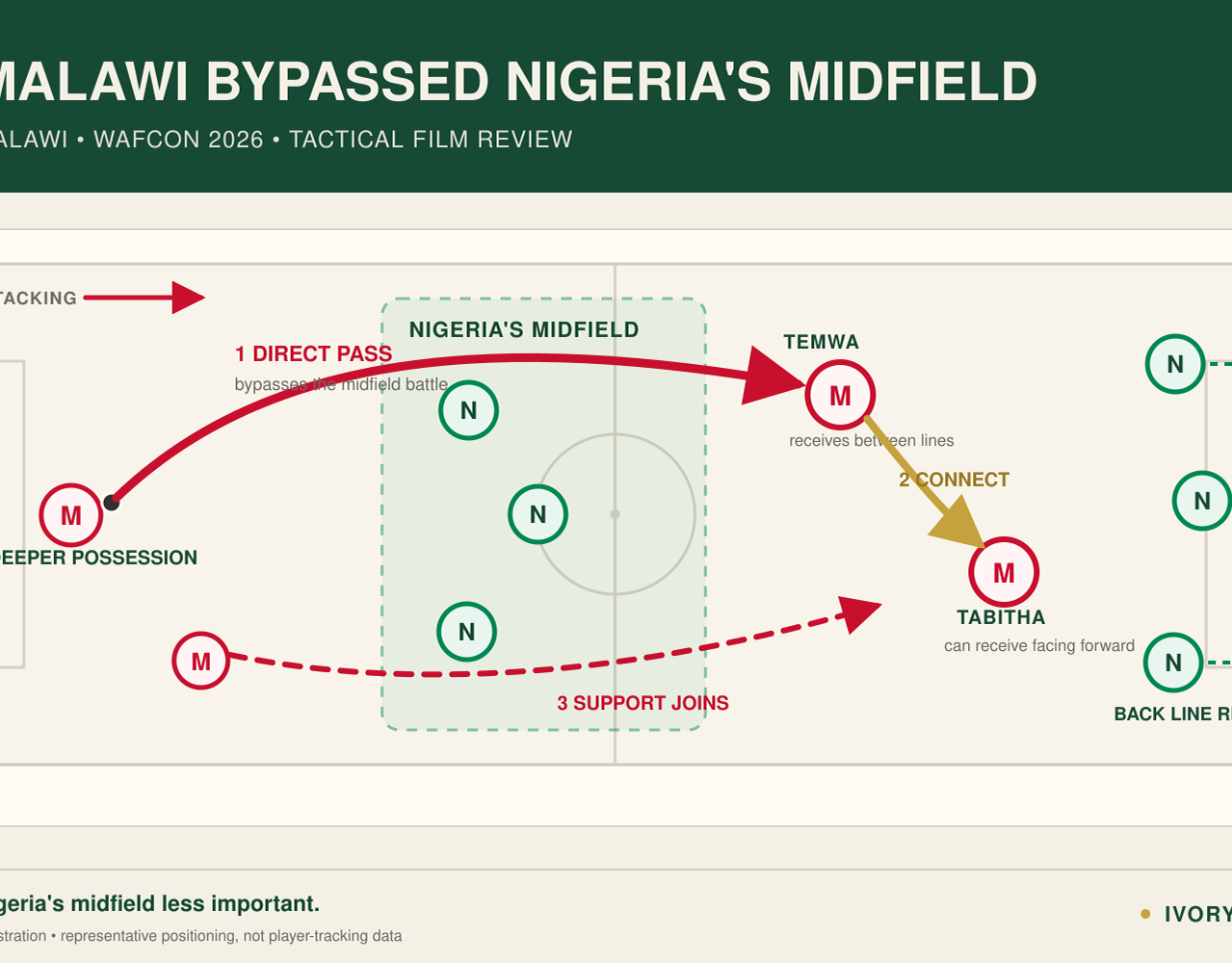
Then they beat defending champions and record 10-time winners Nigeria 3–2 in their opening match. Temwa Chawinga scored twice, Tabitha added the other, and the sisters announced Malawi’s arrival with one of the tournament’s defining results.
The 3–1 victory over Egypt four days later proved the opener was more than a single upset.
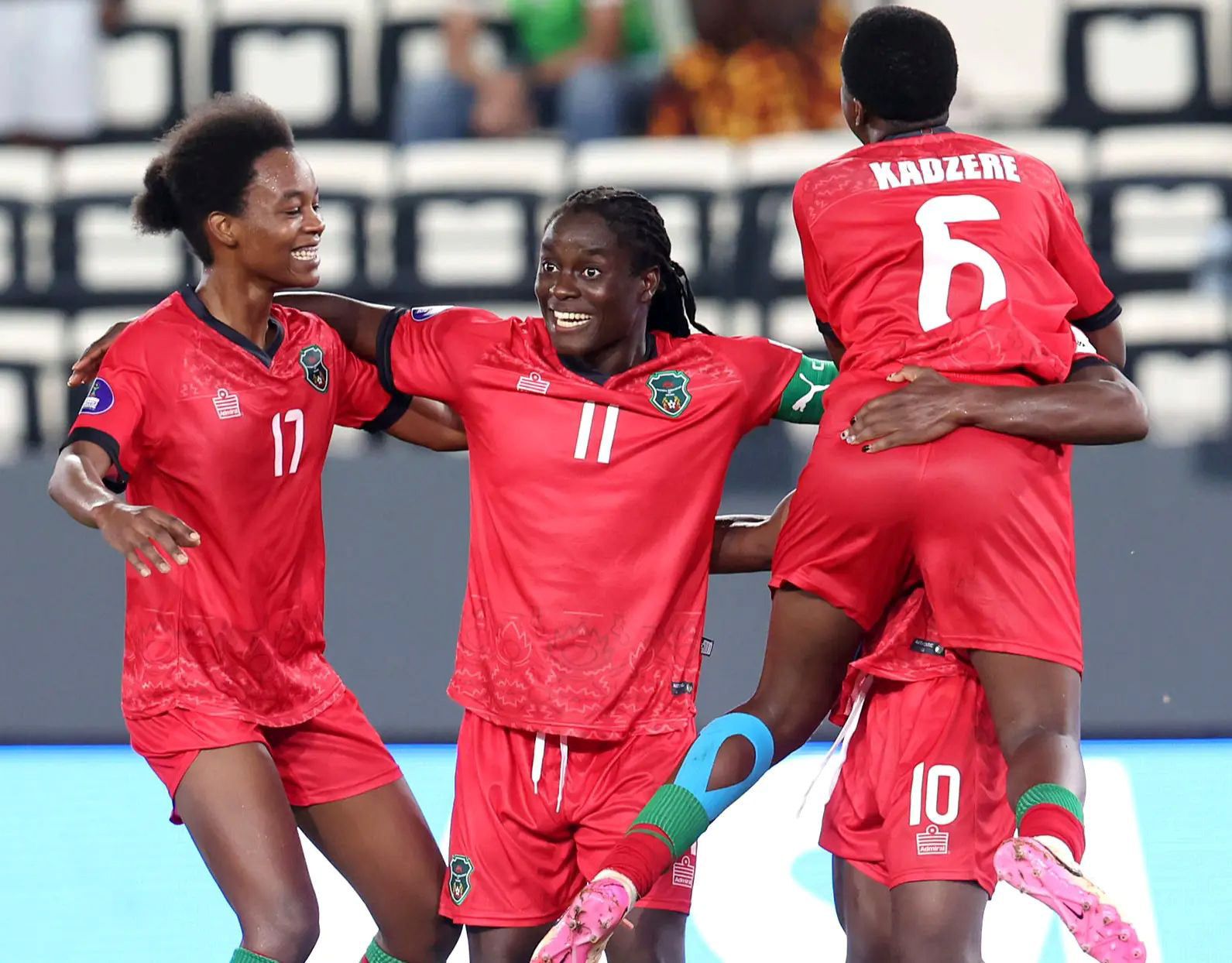
Rose Kadzere scored. Faith Chinzimu—the teenager whose two goals against Angola had secured Malawi’s first qualification—scored again. Temwa added the third. Malawi created 22 attempts, put 10 on target and won 14 corners.
That performance mattered because it widened the story beyond two world-class forwards. Temwa, of the Kansas City Current, and Tabitha, of OL Lyonnes, remain Malawi’s reference points. But Kadzere, Chinzimu and the players around them have shown that this team carries more than two names.
The win over Nigeria created belief. The performance against Egypt created evidence. The goal against Zambia made both results count.
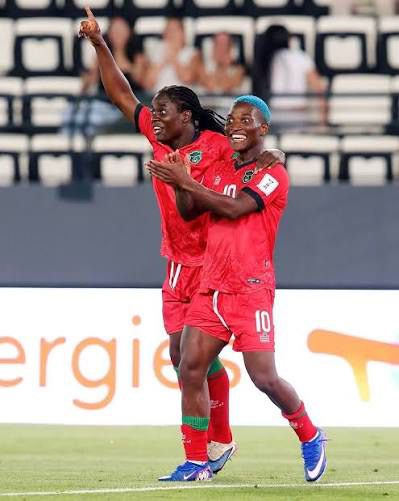
Tabitha Chawinga’s 72nd-minute goal against Zambia proved decisive in Malawi’s three-team Group C tiebreak.
From missing the tournament to winning the group
Malawi’s position looks even more remarkable beside the road that brought them here.
The country did not enter the previous WAFCON qualifying cycle amid reported financial constraints. For a nation with the Chawinga sisters already excelling abroad, their absence from the continental stage exposed the gap between individual talent and the support surrounding the national team.
That changed in 2025. Malawi drew 0–0 away to Angola before winning the return leg 2–0 in Lilongwe, with Chinzimu scoring both goals. First came qualification. Then came two group victories. Now comes a quarterfinal as Group C winners.
Before the tournament, Temwa said Malawi were going to WAFCON “to achieve something, not just to participate.”
They have already done that.
One match from the World Cup
Malawi’s quarterfinal opponent is now confirmed. The Scorchers will face Ghana on Sunday, August 9, at Stade Al Madina in Rabat, with kickoff scheduled for 20:00 GMT.
Victory would send Malawi into the WAFCON semifinals and secure direct qualification for the 2027 FIFA Women’s World Cup. Defeat, however, would not immediately end their World Cup hopes. The four losing quarterfinalists will enter additional playoffs on August 13, with two teams advancing to the inter-confederation playoff route.
That is the new scale of Malawi’s opportunity.
The defeat to Zambia should not be ignored. It exposed the danger of a slow start and offered a warning before the knockout stage. But it did not diminish what Malawi built across three matches.
The Scorchers came to Morocco as debutants. They leave the group stage above the defending champions, above one of Southern Africa’s established powers, and one win away from the World Cup.
They lost the match.
They still won the group.
Reporting sources