Less than three weeks ago, Washington Spirit announced the signing of Mélissa Bethi.
On Saturday, before she had played a single NWSL minute for the club, Bethi started and played the full match that sent Algeria to its first Women’s World Cup.
That alone tells you how much the connection between African women’s football and the NWSL has changed.
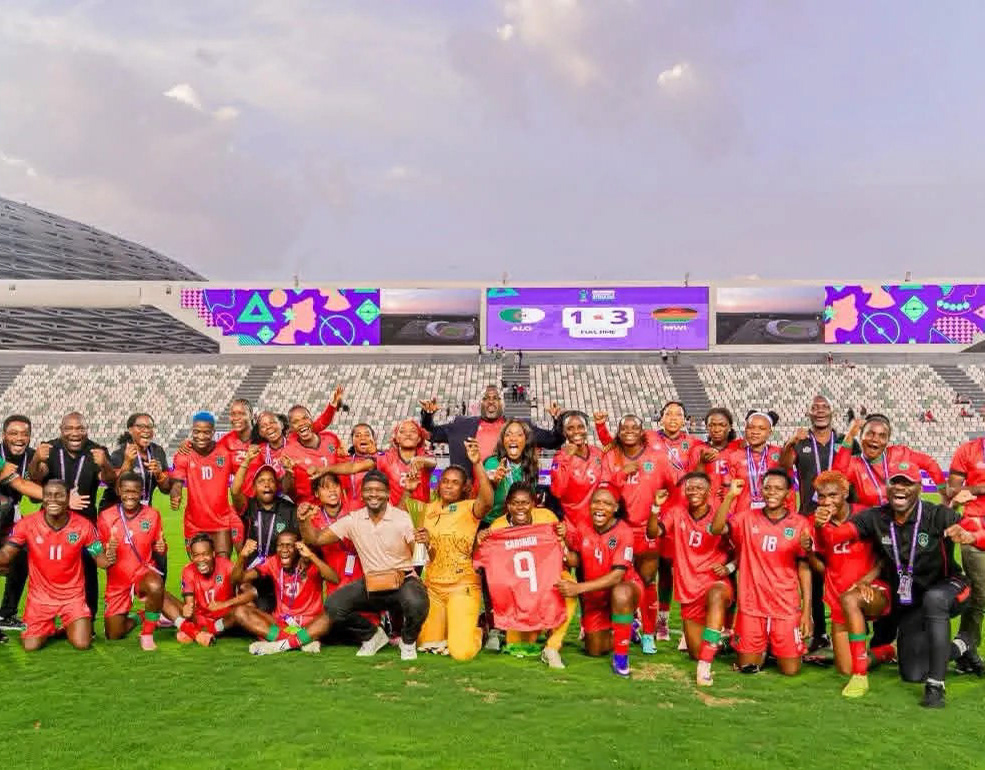
Algeria came from behind to beat Côte d’Ivoire 2–1, reaching the WAFCON semifinals for the first time and securing a historic place at Brazil 2027. Bethi did not score, but she was part of the midfield that stayed composed after Algeria fell behind and Côte d’Ivoire were reduced to 10 players.
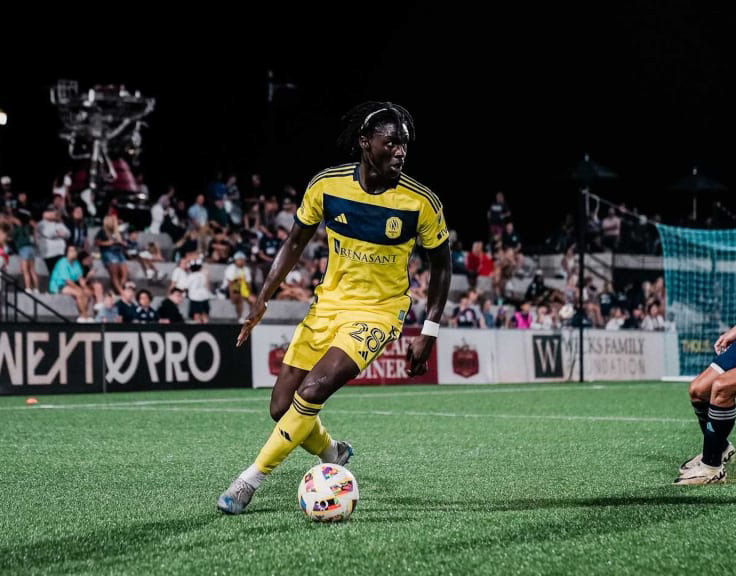
On the other side was the national team of current Spirit forward Rosemonde Kouassi.
Kouassi could not play because of yellow-card accumulation, but the result still created two very different outcomes for players connected to the same NWSL club. Bethi is now heading toward Washington as a World Cup qualifier. Kouassi and Côte d’Ivoire are out of the WAFCON title race and must use the additional playoff route to keep their World Cup hopes alive.
This was not simply one African quarterfinal with an NWSL connection attached to it.
It was a look at where this relationship is going.
One club, two continents
A few hours after Algeria made history, Washington played its own match more than 3,000 miles away.
The Spirit fell 4–3 to the North Carolina Courage at Audi Field. Washington went into halftime down 3–0, fought all the way back to 3–3 in the 90th minute, then conceded the winner in stoppage time.
I would not look at that result and say Washington lost because several players were at WAFCON. Football is not that simple. The Spirit had enough quality on the field to compete, and one result can have many explanations.
But the match still showed why WAFCON is no longer something an NWSL club can treat as a distant tournament happening somewhere else.
Washington played a league match without Deborah Abiodun, Gift Monday and Kouassi. At the same time, Bethi was qualifying for a World Cup with Algeria. Monique Ngock was preparing to face Nigeria with Cameroon. Alimata Bélem had already represented Burkina Faso before their group-stage elimination.
One club was carrying all of those stories at the same time.
That is recruitment, roster depth, international duty and a league schedule all meeting in one weekend.
Washington did not stumble into this connection
The Spirit count six contracted players who represented five African countries at this WAFCON.
Abiodun and Monday are with Nigeria. Kouassi is with Côte d’Ivoire. Bethi represents Algeria. Ngock represents Cameroon. Bélem represents Burkina Faso.
There is an important distinction here. Washington was not missing six regular starters from Saturday’s lineup.
Abiodun, Monday and Kouassi are current roster absences. Bethi and Ngock were signed recently and are expected to join the Spirit after their national-team runs. Bélem is under contract with Washington but will remain on loan at SD Eibar in Spain through the end of 2026.
That distinction actually makes the story more interesting, because it shows this is not only about surviving international absences. It is also about how Washington is building its future.
The Spirit signed Ngock from FC Fleury 91. They signed Bélem from Eibar. Then, on July 23, they paid a transfer fee to bring Bethi from FC Nantes on a contract through 2029.
Washington signed Bethi before Algeria made history—not after.
They saw a 20-year-old midfielder who had already become a regular international and an important player in France. Just over two weeks later, she played 90 minutes in the biggest victory Algeria’s women’s national team has ever had.
That does not look like a club collecting a few recognizable African names. It looks like African internationals have become part of the Spirit’s actual roster-building strategy.
This is bigger than Washington
The same shift is happening across the league.
The NWSL’s WAFCON list includes 11 players representing seven African national teams:
Algeria: Mélissa Bethi — Washington Spirit
Cameroon: Monique Ngock — Washington Spirit
Côte d’Ivoire: Rosemonde Kouassi — Washington Spirit
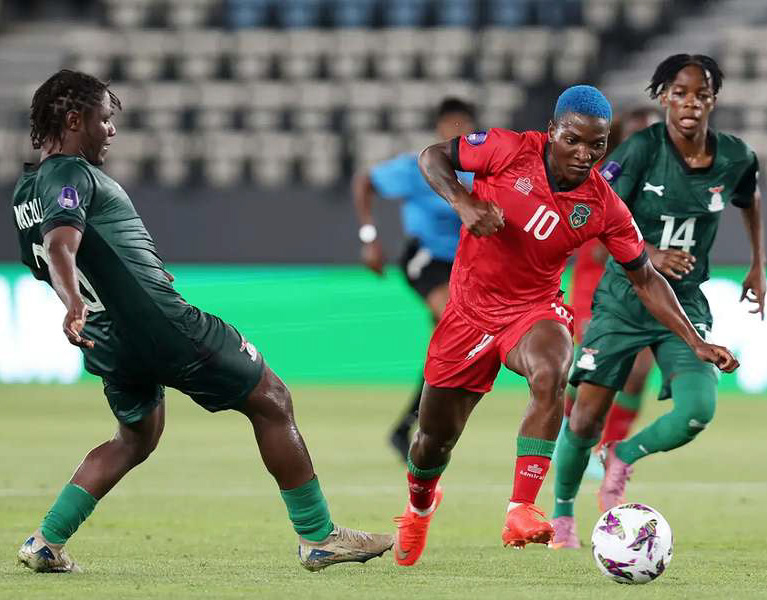
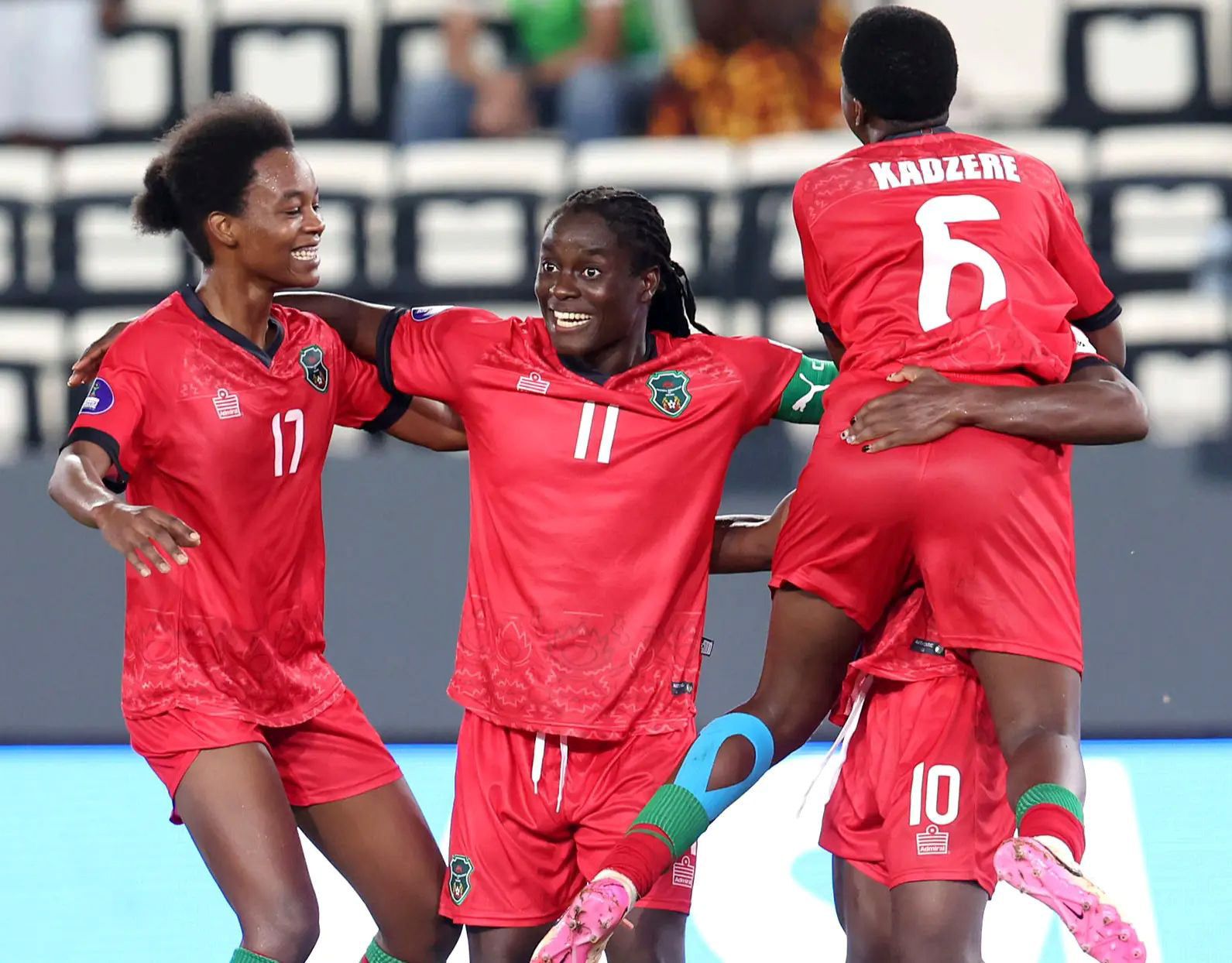
Malawi: Temwa Chawinga — Kansas City Current
Mali: Aïssata Traoré — Boston Legacy FC
Nigeria: Deborah Abiodun and Gift Monday — Washington Spirit; Michelle Alozie — Chicago Stars
Zambia: Barbra Banda — Orlando Pride; Racheal Kundananji — Bay FC; Prisca Chilufya — Angel City FC
Bélem gives Washington an additional Burkina Faso connection, but she is not part of that active NWSL count because she remains on loan in Spain.
The famous names will always stand out first. Temwa Chawinga. Barbra Banda. Racheal Kundananji.
But that is no longer the whole story.
There are forwards, midfielders and defenders. There are established stars and younger players. There are players from Nigeria, the most successful women’s national team in Africa, and players from Malawi, who arrived at their first WAFCON this summer.
Here in New England, the connection is even closer.
Aïssata Traoré became the first Malian player in NWSL history when Boston Legacy signed her. She went into WAFCON as one of Boston’s co-leading scorers with four goals.
That is not a far-away connection for the people following the NWSL here. A player can play at Gillette Stadium, leave to represent Mali at Africa’s biggest women’s tournament, then return to the same league schedule.
The international story and the local story are now the same story.
WAFCON is part of the NWSL calendar now
This is the part that can get overlooked when the conversation stays focused only on individual stars.
Kansas City has been without Chawinga. Orlando has been without Banda. Bay FC has been without Kundananji. Boston has been without Traoré. Chicago has been without Alozie. Angel City has been without Chilufya. Washington has had three current players away while also waiting for two incoming signings to finish their WAFCON runs.
Those are real absences in the middle of a league season.
That means clubs have to plan for WAFCON when they think about recruitment, depth and how they get through difficult parts of the schedule. For Washington, the situation is especially clear because the club is trying to remain near the top of the table while several present and future players are competing in Morocco.
Again, that does not mean every poor result should be blamed on WAFCON. It means the tournament has become important enough that NWSL decision-makers must account for it.
There is another side to the relationship, too.
African national teams are arriving at WAFCON with players who spend their club seasons in demanding professional environments in the United States. Malawi get the Temwa Chawinga who faces NWSL defenders every week. Zambia get Banda and Kundananji. Nigeria get Abiodun, Monday and Alozie. Mali get Traoré.
I would still be careful about saying the NWSL is “developing” African women’s football. That gives the league too much credit.
These players did not suddenly become talented when they arrived in America. And NWSL clubs are not signing African players as a favor. They are signing them because they believe those players can help them win.
That is what makes the connection important. It works in both directions.
The clubs gain international-level players. The national teams bring back players who train and compete in strong professional environments. The players gain another platform. And supporters on both sides suddenly have a reason to follow games they may not have watched before.
The Washington connection is not finished
Bethi has already secured her World Cup place.
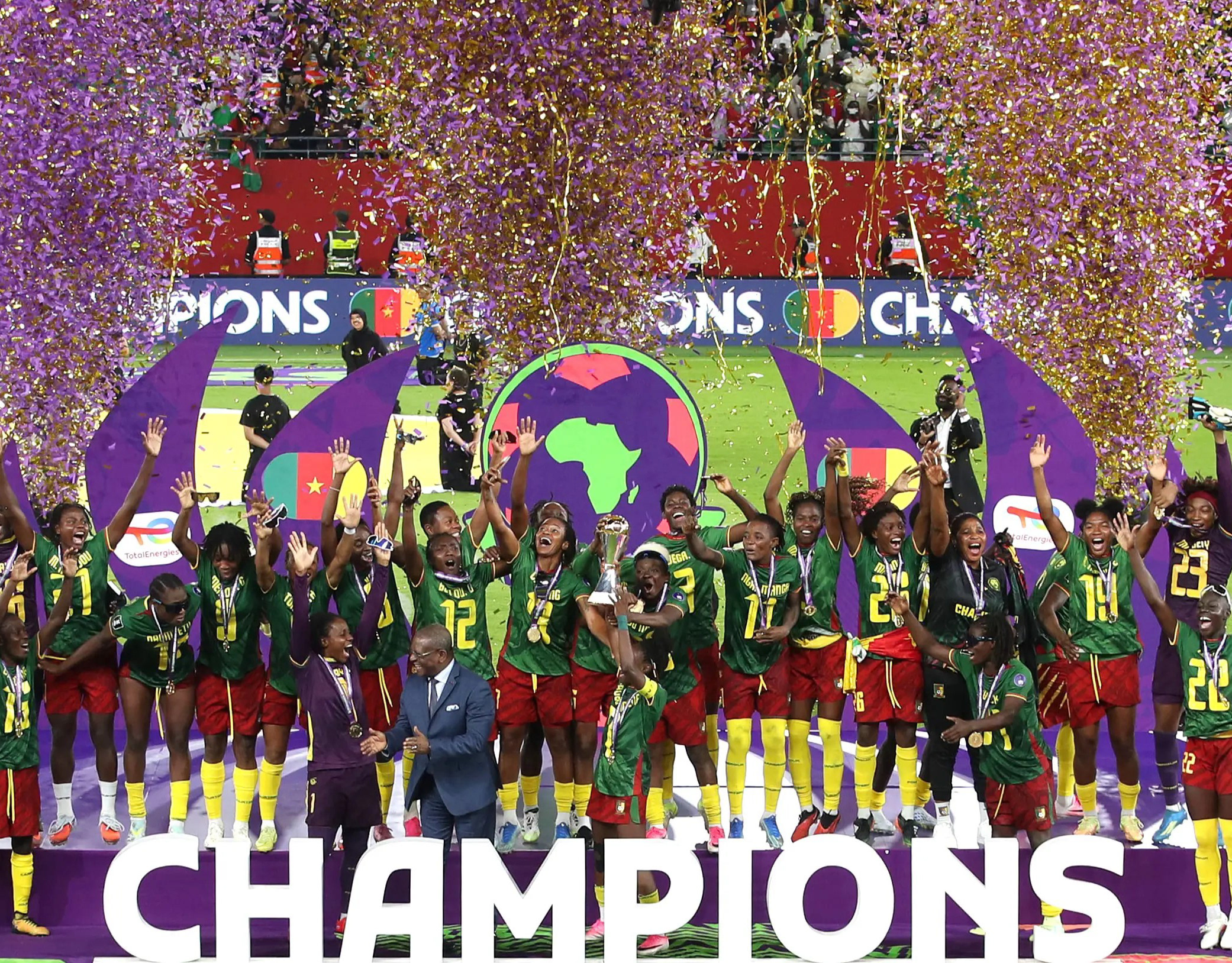
The next Washington chapter comes Sunday, when Abiodun and Monday’s Nigeria face Ngock’s Cameroon in another WAFCON quarterfinal. This time, three Spirit-contracted players are connected to one match with a direct place at Brazil 2027 on the line.
By the end of the weekend, Washington could have several future World Cup players returning from Morocco with completely different experiences.
Bethi will arrive after helping Algeria make history. Kouassi remains in a more difficult qualification fight with Côte d’Ivoire. Abiodun, Monday and Ngock still have their own quarterfinal to settle.
Meanwhile, Washington’s NWSL season continues.
Same club. Different countries. Different consequences.
That is why WAFCON should not be treated as a side story for NWSL supporters anymore.
It is affecting who clubs recruit, who is available on matchday, how teams build depth and which African national teams arrive at the tournament with players accustomed to high-level professional football.
Less than three weeks ago, Mélissa Bethi was a new name on a Washington Spirit signing announcement.
Now she is a World Cup qualifier.
WAFCON is not happening somewhere else from the NWSL.
It is part of the NWSL story now.