Nigeria’s WAFCON group stage was not simply a bad performance followed by two better ones. Malawi, Zambia and Egypt asked three very different tactical questions — and Nigeria looked most comfortable when the game stayed in the spaces they wanted to control.
There are two easy ways to read Nigeria’s Group C campaign.
The first is that the defending champions were shocked by Malawi, regrouped against Zambia and finally found their rhythm against Egypt. The second is that Nigeria simply played poorly in the opener and improved from there.
After going back through the three matches, I think there is a more interesting explanation.
Nigeria did not suddenly become a different team. The tactical problem changed.
The Super Falcons want control. They want to control possession, but more importantly, they want to control the middle of the field and decide where the game is played. Malawi were comfortable refusing that battle altogether.
That is what made the opening match such a difficult matchup for Nigeria.
Malawi Made Nigeria’s Midfield Less Important
Calling Malawi “direct” should not be mistaken for saying they were simply hitting hopeful long balls.
Their directness was intentional.
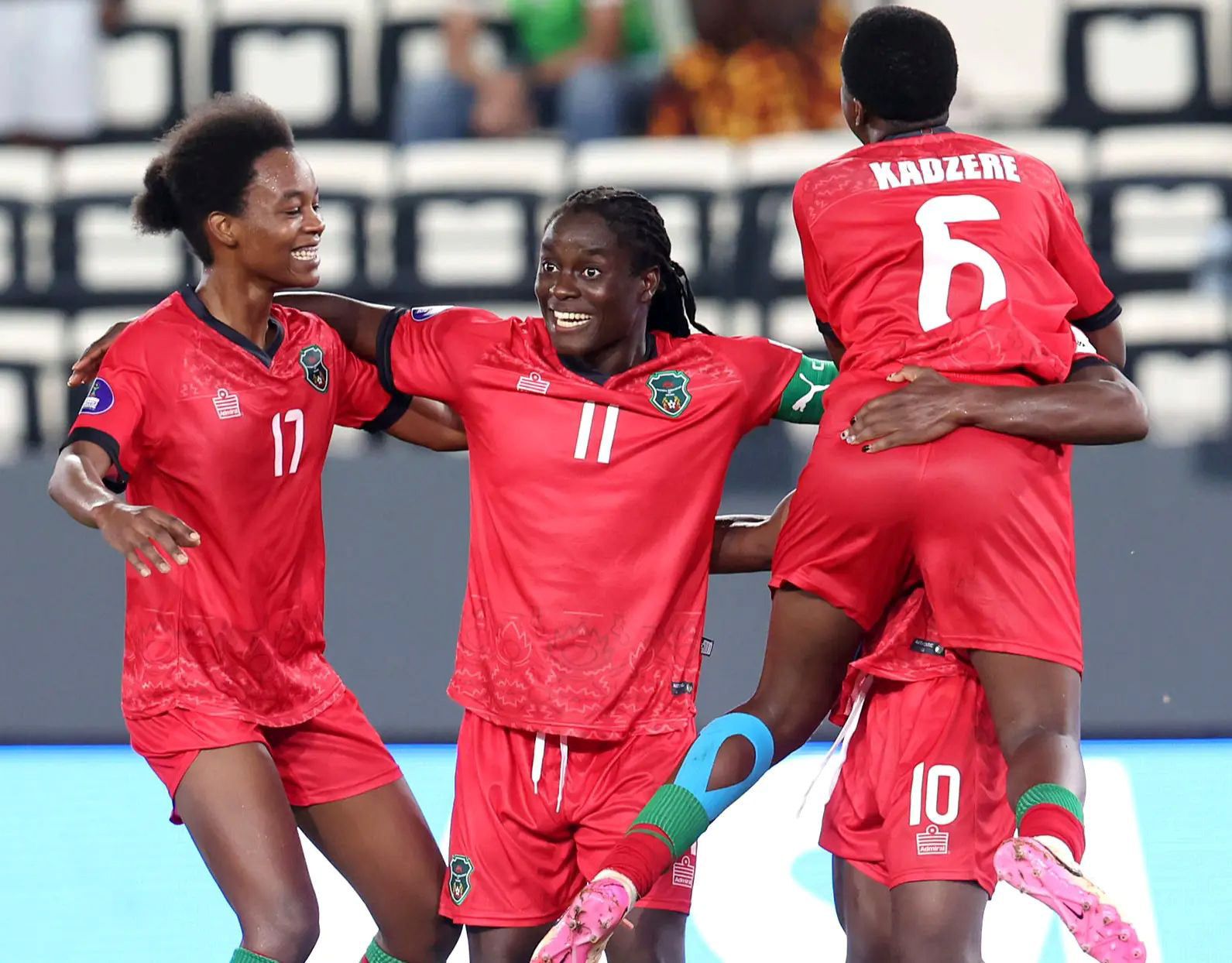
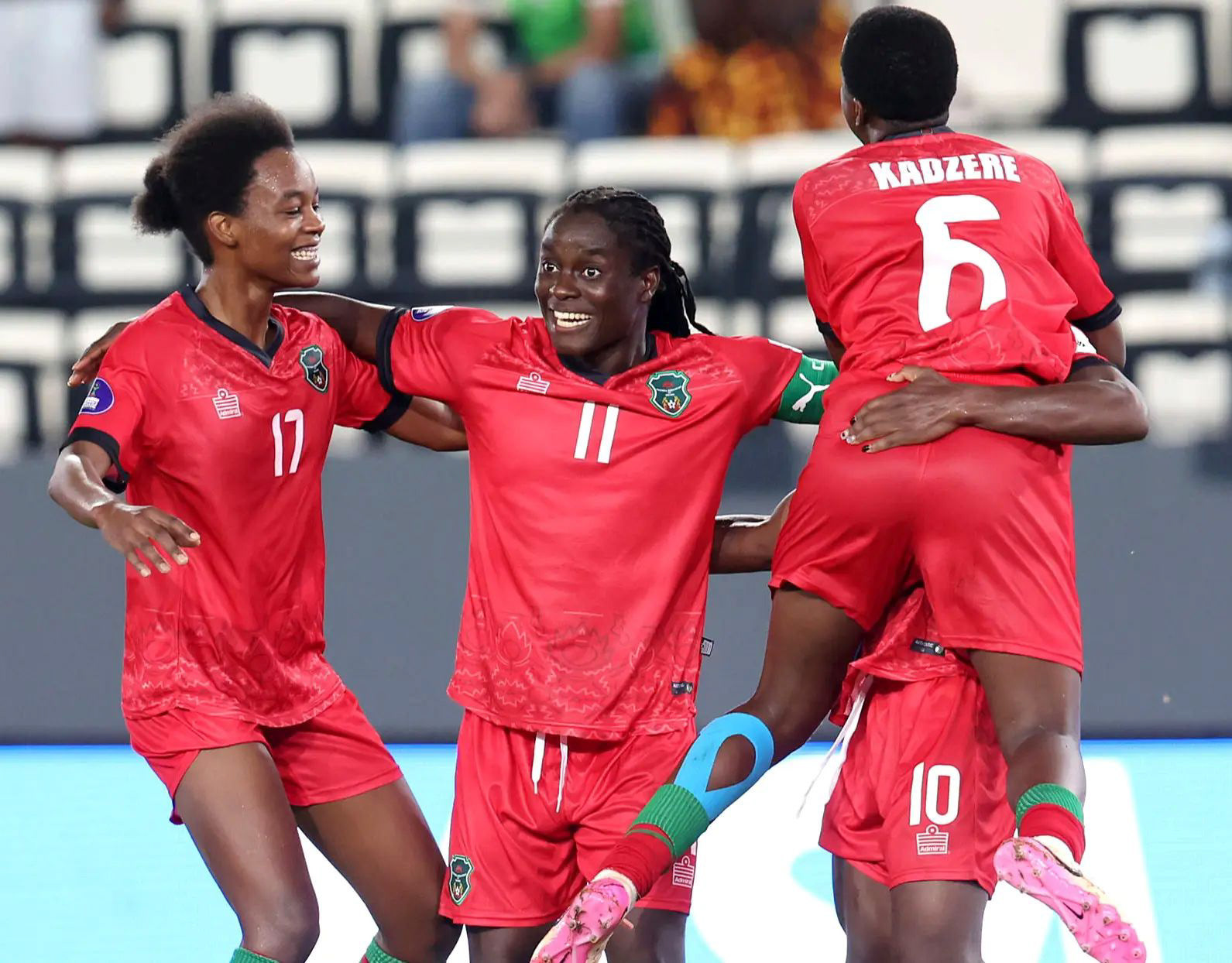
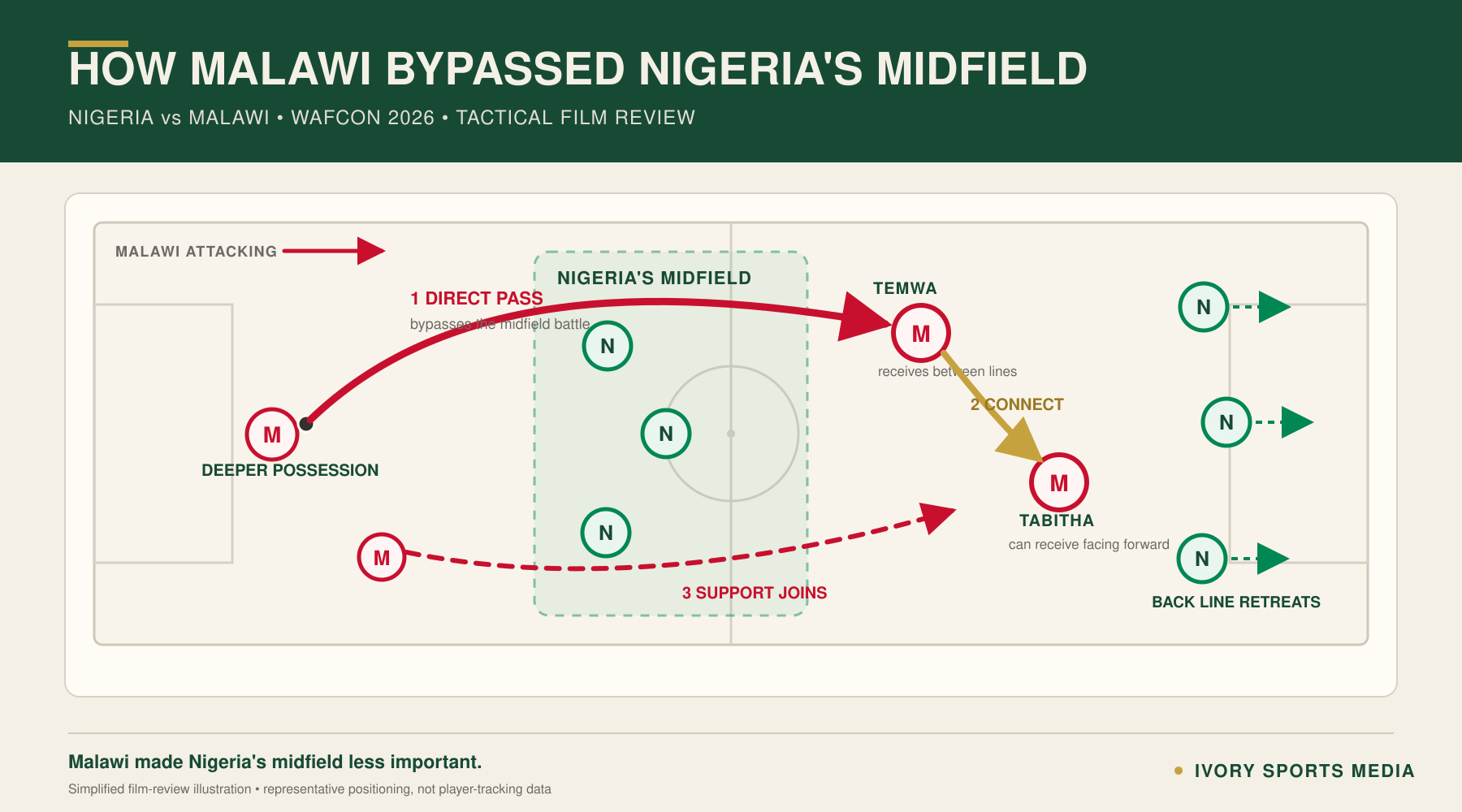
Instead of insisting on building every attack through midfield, Malawi were willing to bypass that area and find Temwa Chawinga or Tabitha Chawinga early. Once the first forward pass arrived, the sisters could play off one another and allow the rest of the team to join the attack.
At times, one Chawinga could receive with her back to goal and connect with the other already facing forward. At others, the first pass allowed them to attack space immediately. Malawi were listed in a 4-2-3-1, but in transition the relationship between Temwa and Tabitha often behaved like a front pairing.
That distinction matters.
Nigeria wanted to control the midfield. Malawi found ways to make the midfield less important.
The danger became especially clear after Nigeria lost possession in advanced areas. With the fullbacks higher and the team committed forward, Malawi could turn a Nigerian attacking moment into a defensive emergency very quickly. Nigeria’s midfield and back line had less time to reconnect, and the center backs were suddenly dealing with two elite, fast attackers who combined extremely well.
The first pressure after losing the ball was important. If Nigeria won it, they could stay on the front foot. If Malawi escaped it, Nigeria often had to delay the attack while teammates recovered rather than immediately defend from the compact structure they preferred.
The numbers reinforce the point. Nigeria had 54.7% possession, but total shots finished 13-13. Nigeria led shots on target only 8-7. Malawi did not need more of the ball to create almost the same attacking volume. ESPN match statistics
The match remained scoreless until the 73rd minute, but the tactical warning signs existed before the goals arrived. When the spaces eventually opened, Malawi were built to attack them.
CAF’s match report similarly noted Nigeria’s spells of possession while highlighting Malawi’s compact defending and their willingness to use the Chawingas’ pace in attack. CAF match report
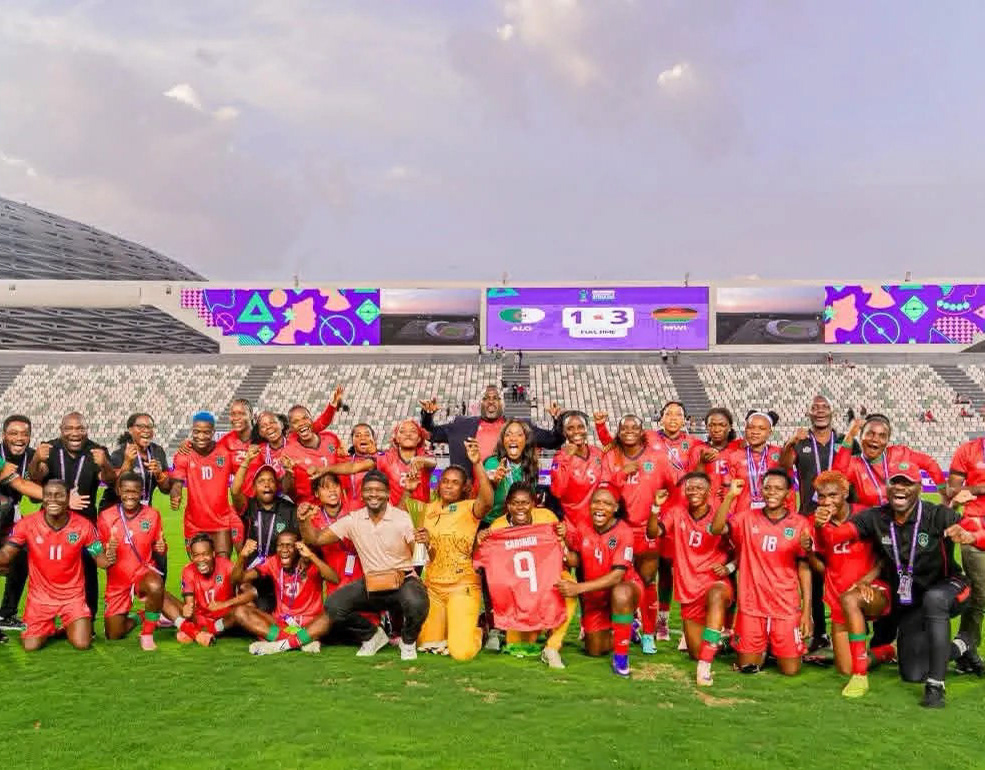
Malawi ultimately won 3-2. The bigger tactical lesson was not simply that Nigeria defended poorly. It was that Malawi forced Nigeria to defend a game they did not completely control.
Zambia Brought a Different Kind of Battle
Against Zambia, the picture changed almost immediately.
Zambia are also comfortable possessing the ball and trying to establish control. That created a more recognizable tactical contest for Nigeria: who could control the center, who could move the opponent, and who could dictate the tempo?
The opening minutes felt calmer from Nigeria. Their lines were tighter. The fullbacks appeared more connected to the rest of the defensive unit, and the spaces between midfield and the back line were easier to protect.
There was also a structural change.
Nigeria had been listed in a 4-3-3 against Malawi. Against Zambia, they started in a 4-2-3-1 with Christy Ucheibe and Deborah Abiodun as the double pivot, Joe Echegini underneath Asisat Oshoala, and Rasheedat Ajibade and Uchenna Kanu in the attacking line. FotMob lineups
Formation labels are only a starting point, but this one matched what the game showed. Nigeria had stronger protection in front of the back line and looked more connected vertically.
They also pressed with patience. Oshoala could lead the pressure, with the player underneath and the wide attackers narrowing around her. The objective was not always to win the ball with the first press. Sometimes the first job was simply to delay Zambia, keep play on one side and give the rest of the Nigerian block time to recover its shape.
Oshoala’s eighth-minute goal gave Nigeria the lead, but what stood out afterward was the lack of panic.
Then came the bigger test.
The Red Card Did Not Fix Nigeria — It Clarified Them
Oluwatosin Demehin was sent off in the 40th minute, leaving Nigeria to defend their lead with 10 players for more than half the match. CAF match report
Strangely, Nigeria looked even clearer about what they wanted to do after the red card.
At several points, their first defensive line still resembled a narrow four-player screen: the striker at the top, a player underneath and the wide players pinching toward the center. When Zambia played beyond that first line, those players recovered quickly and helped compress the space in front of the back line.
Nigeria kept trying to show the ball toward one side rather than allowing Zambia to move freely through the middle. The distances became smaller. The priorities became simpler: protect the center, delay the next action, recover numbers and make Zambia find a way through an organized block.
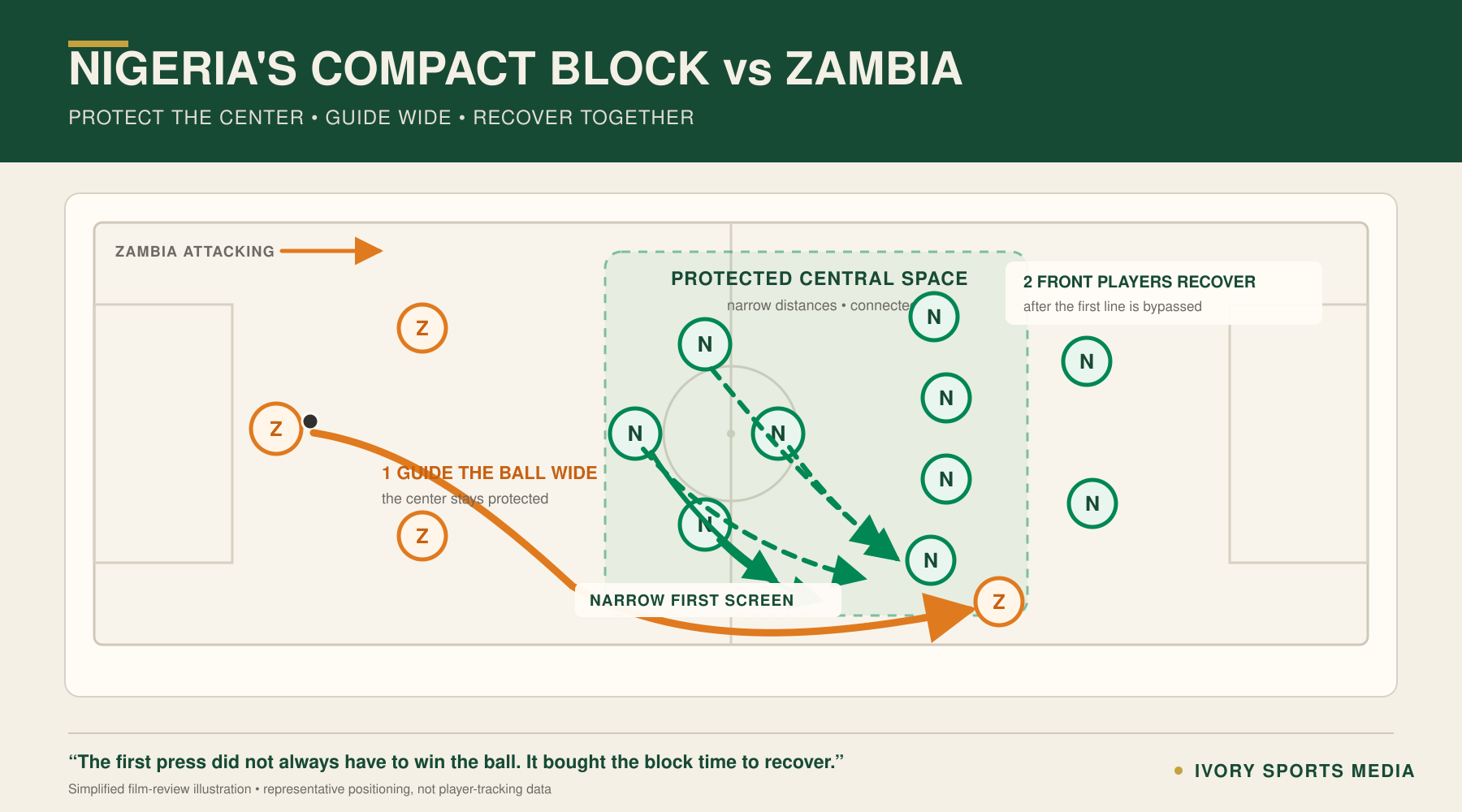
The first press did not always have to win the ball. It bought the block time to recover.
The red card did not make Nigeria better. It forced them to become even more disciplined about the spaces they were willing to concede.
Just as importantly, when Nigeria recovered the ball, they did not always treat possession as an invitation to send everybody forward. Their possession moments gave the team time to breathe and move up the field together. Their wide players did not need to advance simultaneously, and the team remained conscious of the next transition.
I would not say Zambia were neutralized. Barbra Banda remained dangerous, and Zambia still found promising positions. They simply were not efficient enough with them.
The statistics tell a similar story. Possession finished almost exactly 50-50. Zambia actually attempted eight shots to Nigeria’s seven, but put only two on target. Nigeria, despite playing with 10, put three on target and protected the 1-0 lead. FotMob match statistics
That is why the Zambia match was more impressive to me than simply saying Nigeria “bounced back.” They showed why a 10-time champion can survive a game that changes completely.
Against Egypt, Nigeria Looked Like Nigeria Again
The final group match against Egypt brought another version of the Super Falcons.
Nigeria were patient early. They did not score immediately, but there was little desperation in their possession. They were aggressive after turnovers, calm when circulating the ball and comfortable establishing the game in Egypt’s half.
Asisat Oshoala eventually opened the scoring from the penalty spot in the 21st minute. From there, the pressure gradually became attacking volume. Gift Monday added the second before halftime, and Nigeria eventually ran out 6-2 winners. CAF match report
The 6-2 scoreline deserves some context because three of Nigeria’s goals were penalties. But the underlying match numbers still show how much more completely Nigeria controlled this contest: 58.7% possession, 25 shot attempts to Egypt’s five, and nine shots on target to three. ESPN match statistics
This time, Nigeria’s possession was not only possession. It created repeated pressure, repeated entries and repeated chances.
So What Actually Changed?
The lesson from these three matches is more nuanced than “Malawi exposed Nigeria and Nigeria fixed it.”
Three things happened at once.
First, the matchup changed. Malawi were uniquely comfortable bypassing the area Nigeria most wanted to dominate. Zambia were much more willing to fight Nigeria for control through possession, which allowed the Super Falcons to defend from a more familiar structure.
Second, Nigeria’s spacing improved. Against Zambia especially, the midfield and back line were more connected, the wide players were more synchronized, and the team was better prepared for the moment after possession was lost.
Third, the red card sharpened their defensive priorities. Nigeria could no longer afford unnecessary movement. Their compactness, recovery runs and protection of central spaces became even more deliberate.
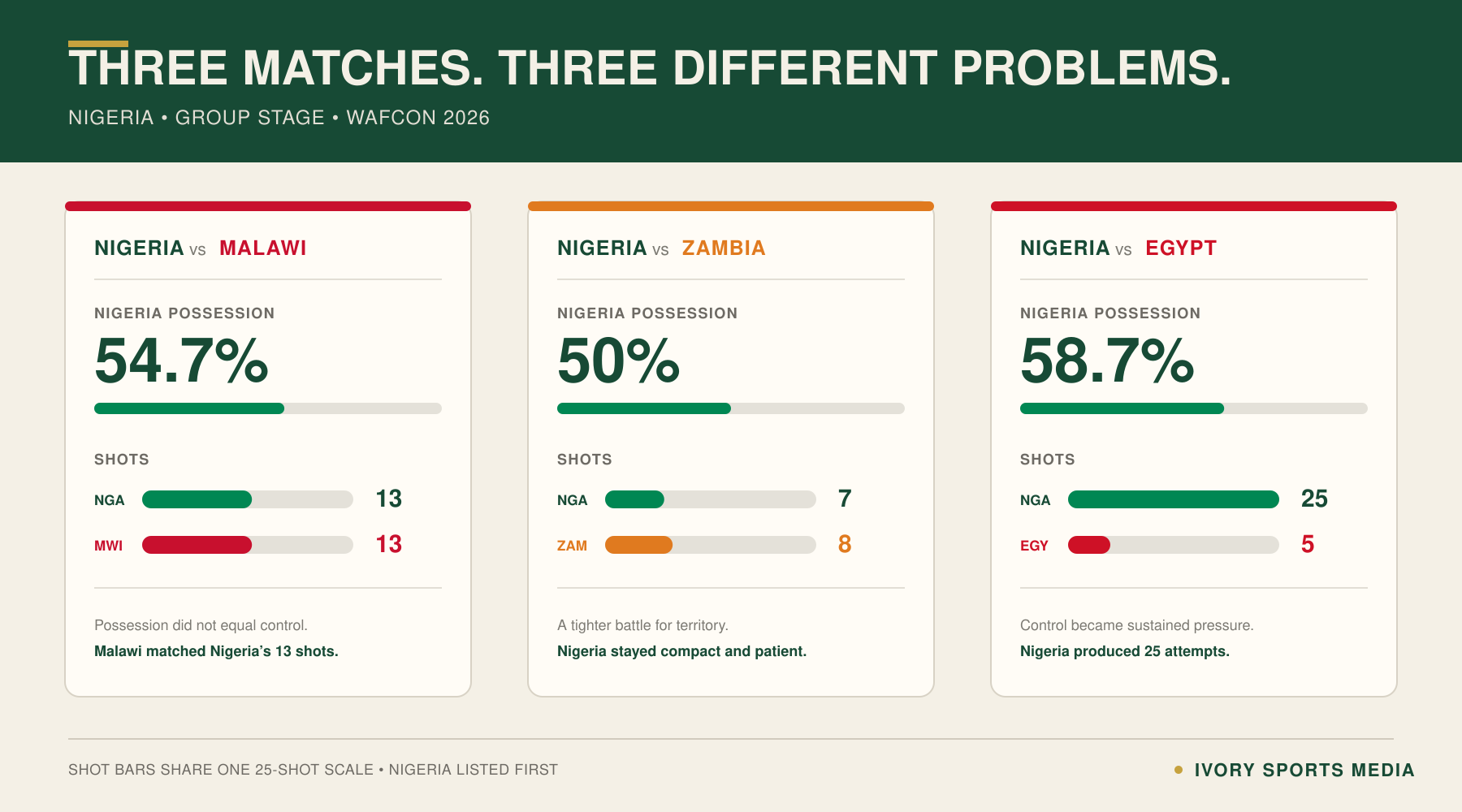
Three Matches, Three Different Problems
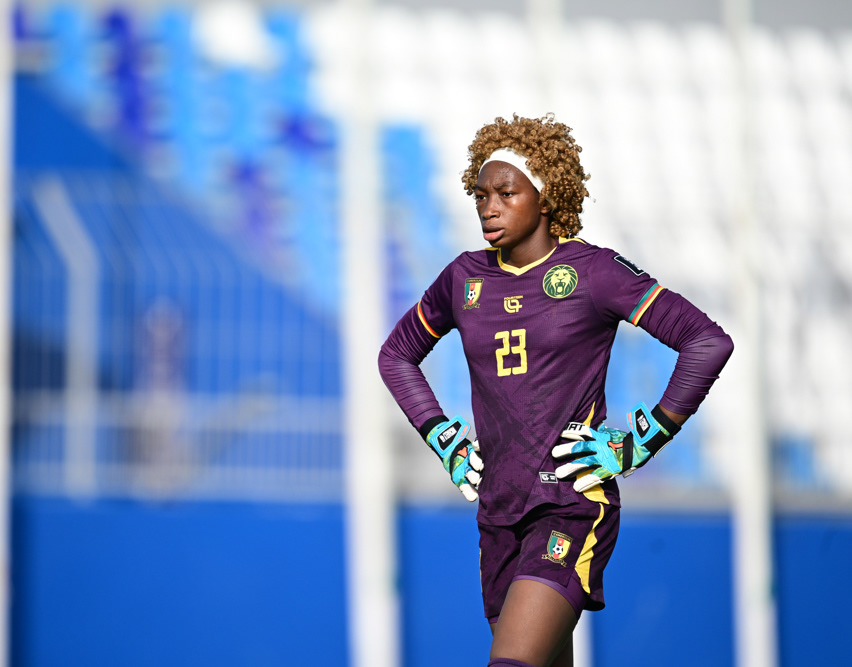
That is also what makes Nigeria’s quarter-final against Cameroon so interesting. CAF has confirmed the two African powers will meet Sunday in Casablanca. CAF quarter-final fixtures
The question is no longer simply whether Nigeria have recovered from the Malawi defeat.
The better question is whether Cameroon can force Nigeria to defend the kind of game Malawi created — early forward passes, runners facing goal and transition moments before Nigeria’s midfield and back line can reconnect — or whether Nigeria can once again keep the match in the areas they want to control.
For me, that is the real story of Nigeria’s group stage.
Malawi showed the blueprint for making the Super Falcons uncomfortable. Zambia showed Nigeria’s ability to adapt under pressure. Egypt showed what Nigeria can look like once they regain control.
And somewhere between those three performances, you could see exactly why they are 10-time African champions.
Reporting & Sources
Original tactical analysis: Charles Dybaud match-film review of Nigeria vs Malawi, Nigeria vs Zambia and Egypt vs Nigeria.